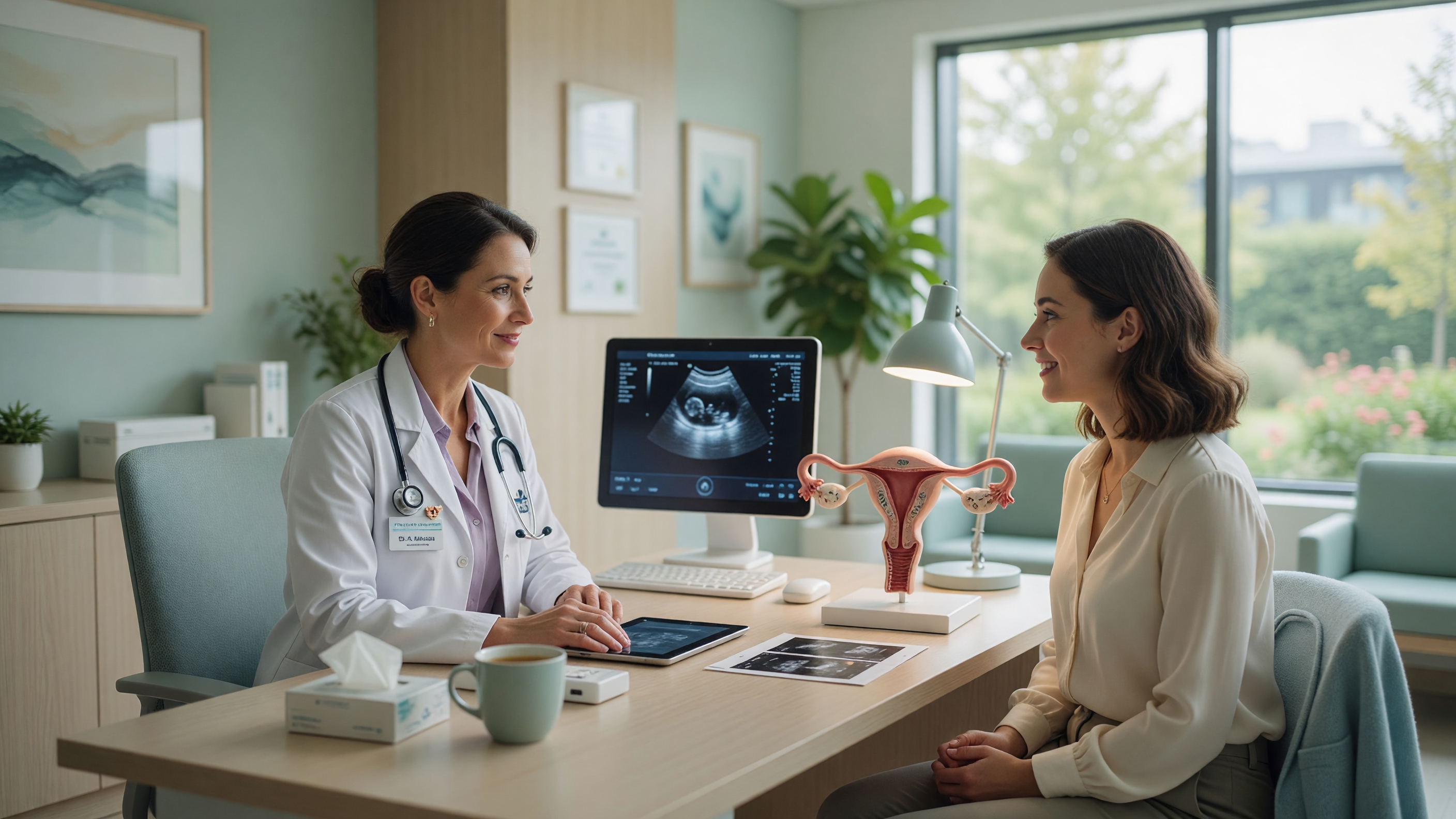
Yes, you can get pregnant with PCOS. Polycystic ovary syndrome is one of the most common causes of infertility because it disrupts ovulation, but many women conceive naturally or with simple, well-proven treatment. PCOS infertility happens when hormonal imbalance stops the ovaries from releasing an egg regularly. This guide explains how the condition affects fertility, which signs to watch for, and how doctors diagnose it. You will also learn about lifestyle changes, fertility medications, advanced options like IVF, and how to stay healthy during pregnancy with PCOS.
What Is PCOS?
PCOS is a common hormonal condition that affects women of reproductive age. It involves higher levels of male-type hormones (androgens), irregular ovulation, and often many small follicles on the ovaries.
Doctors usually confirm PCOS when at least two of these are present:
PCOS is different from other menstrual disorders, though symptoms can overlap. Early diagnosis makes fertility planning much easier.
- Irregular or absent ovulation
- Signs or blood tests showing high androgens
- Polycystic-looking ovaries on ultrasound
- Other causes ruled out by your doctor
How Does PCOS Cause Infertility?
The main link is irregular ovulation. Without regular egg release, there are fewer chances each year to conceive.
Several factors drive this problem:
Because the root issue is usually ovulation, PCOS infertility often responds well to treatment that restores it.
- High androgen levels blocking follicle growth
- Insulin resistance raising hormone imbalance
- Elevated LH disrupting the menstrual cycle
- Follicles that stop growing before release
- Excess weight worsening hormone signals
Can You Get Pregnant With PCOS?
Absolutely. Many women with PCOS conceive naturally, especially if they still ovulate some months.
Your chances depend on a few personal factors:
With the right care, most women with polycystic ovary syndrome pregnancy goals can achieve them. A specialist can tailor a plan to your situation.
- Your age and egg reserve
- How often you ovulate
- Weight and insulin resistance
- Your partner's sperm health
- Other fertility issues, like blocked tubes
Planning a pregnancy with PCOS? Book a fertility consultation at Lux Hospitals today.
Signs PCOS May Be Affecting Your Fertility
Many women learn they have PCOS only when trying to conceive. Recognising common PCOS symptoms early helps you seek care sooner.
Watch for these signs:
Irregular ovulation is the strongest clue. If your cycles are unpredictable, mention it to your gynaecologist.
- Irregular periods or very long cycles
- Missed periods for several months
- Excess facial or body hair
- Persistent acne or oily skin
- Weight gain, especially around the waist
- Thinning scalp hair
How PCOS Infertility Is Diagnosed
Diagnosis starts with your medical history and a physical exam. Your doctor will then order tests to confirm PCOS and check other fertility factors.
Common tests include:
Ultrasound also helps tell PCOS apart from ovarian cysts. In some cases, a diagnostic laparoscopy is used to check the tubes and pelvis.
- Blood tests for androgens, LH and FSH
- Thyroid and prolactin levels
- Blood sugar and insulin tests
- Transvaginal pelvic ultrasound
- Tubal test such as HSG
- Semen analysis for your partner
Lifestyle Changes That Boost Fertility
Lifestyle change is often the first step in PCOS fertility treatment. For women with excess weight, losing even 5-10% of body weight can restart ovulation.
Helpful habits include:
These changes also improve insulin resistance and fertility outcomes. They make medical treatment work better too.
- Balanced, low-glycaemic meals
- At least 150 minutes of weekly exercise
- Quitting smoking and limiting alcohol
- Seven to eight hours of sleep
- Managing stress through relaxation
- Starting folic acid before conception
Fertility Medications for PCOS
If ovulation does not return on its own, medication is the next step. Ovulation induction aims to help one healthy egg mature and release.
Common options include:
Your doctor will monitor you with ultrasound to check response. This reduces the risk of multiple pregnancy.
- Letrozole for PCOS — usually first-line
- Clomiphene citrate — a long-used alternative
- Metformin — helps with insulin resistance
- Gonadotropin injections — if tablets fail
- Trigger shot to time egg release
Struggling to ovulate? Ask the fertility experts at Lux Hospitals about ovulation induction.
Advanced Treatments: Ovarian Drilling, IUI and IVF
Some women need more than tablets. Advanced options can help when medicines do not work or other fertility issues exist.
These treatments include:
IVF for PCOS is very effective but needs careful dosing. PCOS raises the risk of ovarian hyperstimulation syndrome (OHSS).
- Laparoscopic ovarian drilling — keyhole surgery to restore ovulation
- IUI — sperm placed in the uterus
- IVF — eggs fertilised in a lab
- Freeze-all IVF cycles to lower OHSS risk
Pregnancy Risks With PCOS and How to Manage Them
Once pregnant, women with PCOS need closer monitoring. Some pregnancy complications are more common with this condition.
Possible risks include:
Regular check-ups, healthy eating, and early glucose testing help manage these risks. Most women with PCOS have healthy pregnancies.
- Gestational diabetes
- High blood pressure and preeclampsia
- Higher chance of miscarriage
- Preterm birth
- Higher chance of caesarean delivery
When to See a Fertility Specialist
Do not wait too long if you have PCOS and want a baby. Irregular ovulation means waiting a full year may waste valuable time.
See a specialist if:
Early evaluation leads to faster, simpler treatment. It also gives you peace of mind.
- You are under 35 and trying for a year
- You are 35+ and trying for six months
- Your periods are irregular or absent
- You have known PCOS and plan pregnancy
- You have had repeated miscarriages
Don't wait—schedule your PCOS fertility evaluation at Lux Hospitals today.
Why Choose Lux Hospitals?
At Lux Hospitals, PCOS infertility care is personal and evidence-based. Our team guides you from diagnosis through a healthy pregnancy.
Patients choose us for:
We focus on the least invasive path to parenthood. Your goals and comfort shape every step.
- Experienced gynaecologists and fertility specialists
- Advanced ultrasound and hormone testing
- Minimally invasive laparoscopic surgery
- Personalised ovulation induction plans
- Nutrition and lifestyle support
- Coordinated pregnancy care
Take the first step toward parenthood—book your appointment at Lux Hospitals.
Conclusion
PCOS can make conception harder, but it rarely makes it impossible. Because PCOS infertility is mostly caused by irregular ovulation, it is one of the most treatable forms of infertility. Lifestyle changes, medications like letrozole, and advanced options such as ovarian drilling or IVF help many women conceive.
The key is early, expert care. If your cycles are irregular or you have been trying without success, speak with a gynaecologist who understands PCOS. The specialists at Lux Hospitals can confirm your diagnosis, check other fertility factors, and create a plan that fits your body and goals. With the right support, getting pregnant with PCOS is a realistic and hopeful journey.