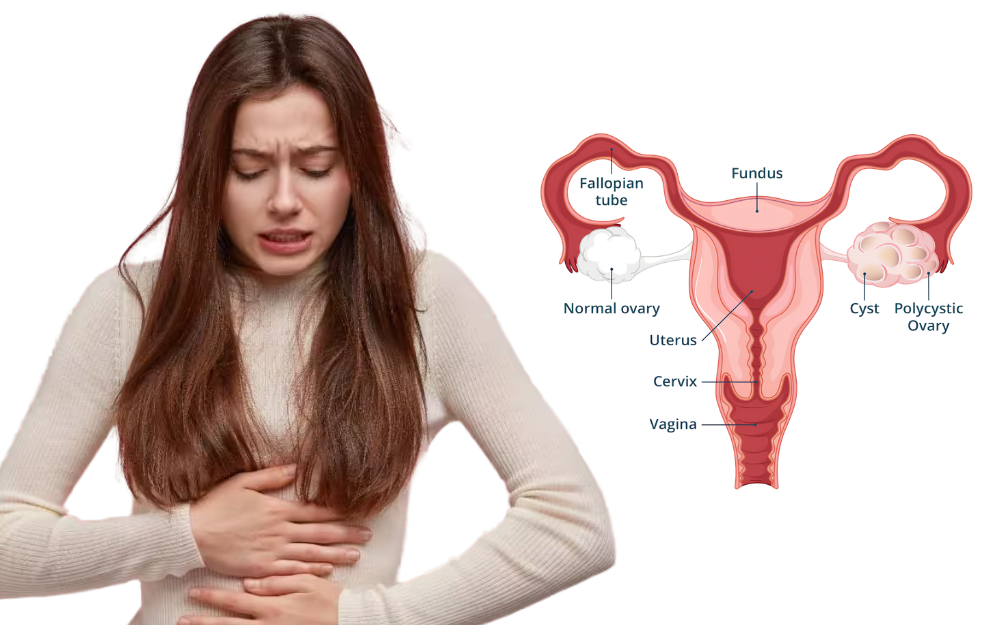
PCOS symptoms can vary from woman to woman, and some women may experience only a few signs while others may have several. Polycystic ovary syndrome (PCOS) is a common hormonal condition that can affect menstrual cycles, ovulation, skin, hair and fertility. Recognizing PCOS symptoms early can help women seek appropriate medical advice and understand whether further evaluation is needed. While PCOS can affect women differently, common signs include irregular periods, acne, unwanted hair growth, hair thinning and difficulty with weight management. Understanding these changes can make it easier to discuss concerns with a gynecologist and identify suitable treatment and long-term management options.
What Is PCOS?
Polycystic ovary syndrome, commonly known as PCOS, is a hormonal and metabolic condition that can affect women during their reproductive years. PCOS is often associated with hormonal changes, irregular ovulation and increased androgen activity. Some women with PCOS may also have insulin resistance. Despite its name, having ovarian cysts is not necessary to have PCOS. A woman can have PCOS without having polycystic-appearing ovaries.
The condition can affect:
- Menstrual cycles
- Ovulation
- Fertility
- Skin
- Hair
- Body weight
- Metabolic health
Because symptoms can vary, recognizing common PCOS symptoms is an important part of understanding the condition.
Common PCOS Symptoms
The most common PCOS symptoms can affect different areas of a woman's health.
1. Irregular Periods
Irregular periods are one of the most common signs of PCOS.
Women with PCOS may have:
- Infrequent periods
- Irregular menstrual cycles
- Longer gaps between periods
- Occasionally missed periods
These changes can occur because PCOS may interfere with regular ovulation. If your menstrual cycles are consistently irregular, it is important to speak with a healthcare professional rather than assuming the changes are simply part of your normal cycle.
2. Excess Hair Growth
Increased androgen activity can cause unwanted hair growth in some women with PCOS.
Hair may become more noticeable on areas such as:
- Face
- Chin
- Upper lip
- Chest
- Abdomen
This condition is called hirsutism. New or increasing facial or body hair can be one of the noticeable PCOS symptoms and may warrant medical evaluation.
3. Acne and Oily Skin
Hormonal changes associated with PCOS may contribute to acne and increased oil production.
Some women may experience:
- Persistent acne
- Adult acne
- Oily skin
- Acne around the jawline or lower face
If acne continues despite appropriate skincare, especially when combined with irregular periods or unwanted hair growth, discussing the symptoms with a doctor may be helpful.
4. Hair Thinning or Hair Loss
Another possible symptom is thinning hair on the scalp.
Some women may notice:
- Increased hair shedding
- Thinning around the crown
- A wider hair part
- Reduced hair density
Hormonal changes may contribute to hair loss, although other conditions can also cause similar symptoms. Therefore, hair loss should not automatically be attributed to PCOS without proper evaluation.
5. Weight Gain or Difficulty Losing Weight
Some women with PCOS experience weight gain or find it difficult to lose weight. Changes in insulin sensitivity and metabolism may contribute to weight-related concerns in some individuals.
However, PCOS weight gain is not experienced by every woman with the condition. People with PCOS can have different body types and metabolic profiles.
A healthy approach generally focuses on sustainable nutrition, regular physical activity, adequate sleep and individualized medical guidance rather than extreme diets.
PCOS and Irregular Periods
One of the most important PCOS symptoms is an irregular menstrual cycle. PCOS can affect ovulation, which may lead to periods occurring less frequently or unpredictably.
Irregular periods can also have other causes, including:
- Thyroid disorders
- Elevated prolactin
- Significant changes in body weight
- Stress
- Certain medications
- Other hormonal conditions
Therefore, irregular periods alone do not confirm PCOS. A healthcare professional can evaluate your symptoms and recommend appropriate tests when necessary.
PCOS and Fertility
PCOS and infertility can be connected because irregular or absent ovulation may make it more difficult to become pregnant. However, having PCOS does not mean that pregnancy is impossible. Many women with PCOS become pregnant with appropriate medical care.
If you are trying to conceive and have irregular periods, your doctor may evaluate ovulation and other factors affecting fertility. Treatment can be tailored according to whether pregnancy is currently desired.
PCOS Causes and Risk Factors
The exact PCOS causes are not completely understood.
Several factors may contribute to its development, including:
- Genetic factors
- Hormonal changes
- Insulin resistance
- Family history
Women with a close family history of PCOS may have a higher likelihood of developing the condition. PCOS is not caused by one single factor, and symptoms can develop differently in different women.
How Is PCOS Diagnosed?
There is no single test that can diagnose PCOS in every woman.
A PCOS diagnosis may involve:
- Medical history
- Menstrual history
- Physical examination
- Blood tests
- Hormonal evaluation
- Ultrasound when appropriate
Doctors may also evaluate other possible causes of irregular periods, excess androgen symptoms or fertility problems.
It is important not to diagnose yourself based only on symptoms found online. A qualified gynecologist can assess your individual symptoms and determine whether further testing is appropriate.
PCOS Treatment Options
PCOS treatment depends on the symptoms, health goals and whether pregnancy is currently desired.
Treatment may focus on:
- Regulating menstrual cycles
- Managing acne
- Reducing unwanted hair growth
- Supporting healthy weight management
- Improving metabolic health
- Supporting fertility
Lifestyle changes may be recommended for some women.
These can include:
- Regular physical activity
- Balanced nutrition
- Adequate sleep
- Stress management
- Maintaining a healthy weight where appropriate
Medication may also be recommended depending on individual needs. There is no single treatment plan that works for every woman with PCOS. Your doctor can recommend an approach based on your symptoms and health goals.
PCOS Weight Loss and Healthy Lifestyle
PCOS weight loss can be a concern for some women, particularly when insulin resistance or weight gain is present. However, weight should not be the only measure of PCOS health.
A sustainable lifestyle may include:
- Regular exercise
- Protein- and fiber-rich meals
- Limiting highly processed foods
- Consistent sleep
- Managing stress
- Avoiding extreme calorie restriction
Women with PCOS can benefit from individualized nutritional guidance, particularly when weight management is a concern.
When Should You See a Doctor?
You should consider speaking with a gynecologist if you notice:
- Frequently irregular periods
- Long gaps between periods
- New or excessive facial hair
- Persistent acne
- Unexplained hair thinning
- Difficulty becoming pregnant
- Significant or unexplained weight changes
Having one symptom does not necessarily mean you have PCOS. However, a combination of symptoms may indicate that further evaluation is appropriate.
Conclusion
PCOS symptoms can affect menstrual health, skin, hair, weight and fertility. Common signs include irregular periods, acne, unwanted hair growth, hair thinning and difficulty with weight management. Recognizing PCOS symptoms can encourage women to seek appropriate medical evaluation rather than ignoring persistent changes. PCOS can be managed with an individualized approach that may include lifestyle changes, medication and fertility-focused treatment when required. If you are experiencing persistent menstrual irregularities, unwanted hair growth, acne, hair thinning or fertility concerns, consult a qualified gynecologist for personalized evaluation and treatment.