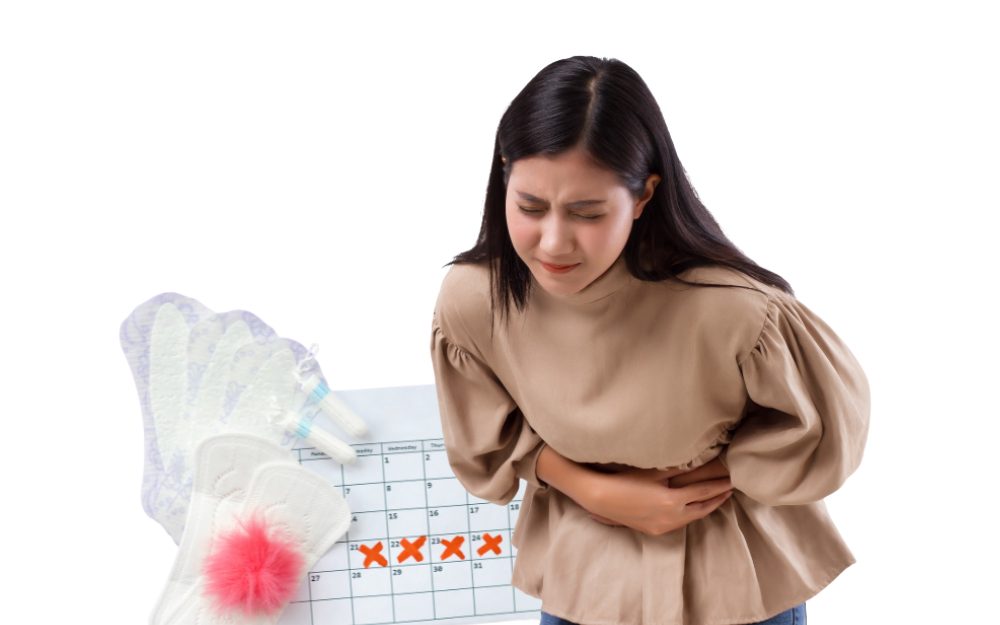
Irregular periods are a common menstrual concern, but changes in your cycle should not always be ignored. Your menstrual cycle can naturally vary from month to month, but consistently unpredictable periods, very long gaps between periods, unusually frequent bleeding or significant changes in your usual pattern may need medical evaluation. There are many possible irregular periods causes, including hormonal changes, stress, thyroid conditions, PCOS, changes in weight, pregnancy and certain medications. Understanding why your cycle may be changing can help you know when it is appropriate to consult a gynecologist.
What Are Irregular Periods?
Irregular periods occur when your menstrual cycle does not follow a predictable pattern. A typical menstrual cycle can vary between individuals. The important factor is whether your periods are consistently different from your usual pattern.
You may have an irregular menstrual cycle if you experience:
- Periods that frequently come earlier or later than expected
- Long gaps between periods
- Periods that occur unusually often
- Significant changes in menstrual flow
- Periods that last longer or shorter than usual
- Occasional missed periods
One unusual cycle does not necessarily indicate a health problem. However, repeated changes should be discussed with a healthcare professional.
Common Irregular Periods Causes
There are several causes of irregular periods, and more than one factor can sometimes contribute.
Common causes include:
- Polycystic ovary syndrome (PCOS)
- Hormonal changes
- Thyroid disorders
- Stress
- Significant weight gain or weight loss
- Excessive physical activity
- Pregnancy
- Perimenopause
- Certain medications
- Breastfeeding
- Some underlying medical conditions
Identifying the underlying cause is important because treatment depends on why your menstrual cycle has changed.
Irregular Periods and PCOS
Irregular periods and PCOS are frequently associated. PCOS can affect ovulation and hormone levels, which may result in periods that are:
- Infrequent
- Unpredictable
- Delayed
- Occasionally absent
Some women with PCOS may also experience acne, excess facial or body hair, weight changes or difficulty becoming pregnant. If you regularly have irregular cycles along with other symptoms associated with PCOS, a gynecological evaluation can help determine whether further testing is appropriate.
Irregular Periods and Hormonal Imbalance
Hormones play an important role in regulating ovulation and menstruation. An irregular period and hormonal imbalance may occur when hormone levels fluctuate or when ovulation does not occur regularly.
Hormonal changes can be associated with:
- Stress
- PCOS
- Thyroid problems
- Changes around puberty
- Perimenopause
- Significant changes in body weight
Your doctor may recommend blood tests or other investigations depending on your symptoms and medical history.
Irregular Periods and Thyroid Problems
The thyroid gland produces hormones that influence several functions in the body, including reproductive health. Both an underactive and overactive thyroid can sometimes affect menstrual patterns.
If you have irregular periods and thyroid symptoms, your doctor may recommend thyroid function testing.
Other symptoms of thyroid disorders can include:
- Unexplained weight changes
- Fatigue
- Changes in energy levels
- Changes in heart rate
- Temperature sensitivity
- Hair or skin changes
A medical evaluation can help determine whether thyroid function is contributing to menstrual changes.
Can Pregnancy Cause a Missed Period?
Pregnancy is one of the common reasons for a missed period in women who are sexually active. If your period is late or absent and pregnancy is possible, taking an appropriate pregnancy test can help clarify the cause.
However, a missed period does not always mean pregnancy.
Other missed periods causes include:
- Stress
- PCOS
- Significant weight changes
- Thyroid disorders
- Excessive exercise
- Breastfeeding
- Perimenopause
- Certain medications
If periods continue to be absent or irregular, consult a gynecologist.
Why Are My Periods Irregular?
If you are asking, "Why are my periods irregular?", the answer can vary significantly from person to person.
Your doctor may consider:
- Your age
- Menstrual history
- Pregnancy possibility
- Weight changes
- Stress levels
- Exercise patterns
- Medications
- PCOS symptoms
- Thyroid symptoms
- Other health conditions
Keeping track of your menstrual cycle can be helpful.
Record:
- First day of each period
- Number of days of bleeding
- Approximate flow
- Pain or other symptoms
- Spotting between periods
This information can help your gynecologist understand your menstrual pattern.
Late Periods: Common Causes
There are many late periods causes.
A period may arrive late because of:
- Pregnancy
- Stress
- PCOS
- Thyroid problems
- Weight changes
- Excessive exercise
- Illness
- Hormonal changes
- Perimenopause
Occasionally having a late period is not necessarily a cause for concern. However, repeated delays or long gaps between periods should be evaluated.
Why Do Periods Come Early?
Some women experience periods coming early or more frequently than expected.
Possible reasons include:
- Hormonal fluctuations
- Changes in ovulation
- Stress
- Certain medications
- Thyroid disorders
- Perimenopause
- Conditions affecting the uterus
Sometimes what appears to be an early period may actually be spotting or abnormal uterine bleeding. If frequent bleeding continues, a gynecologist can help determine the cause.
Heavy Irregular Periods
Heavy irregular periods can interfere with daily activities and may sometimes lead to iron-deficiency anemia.
Signs that menstrual bleeding may be unusually heavy include:
- Needing to change sanitary products very frequently
- Bleeding for longer than usual
- Passing unusually large clots
- Feeling unusually tired or weak
- Bleeding that interferes with work or daily activities
Heavy bleeding can have several causes, including hormonal changes, fibroids, polyps and other gynecological conditions. Persistent heavy bleeding should be evaluated rather than self-managed for a long period.
Irregular Periods Symptoms to Watch For
The irregular periods symptoms you experience may provide clues about the underlying cause.
Pay attention to:
- Repeatedly missed periods
- Very long gaps between periods
- Frequent menstrual bleeding
- Heavy bleeding
- Spotting between periods
- Significant menstrual pain
- Pelvic pain
- Changes in vaginal discharge
- Difficulty becoming pregnant
Symptoms such as unexplained weight changes, excessive hair growth, acne or unusual fatigue may also be relevant when assessing hormonal conditions.
How Are Irregular Periods Diagnosed?
There is no single test used for every woman with irregular periods. Your gynecologist may begin by asking about your menstrual history and other symptoms.
Depending on your situation, evaluation may include:
- Pregnancy testing
- Blood tests
- Thyroid testing
- Hormone testing
- Pelvic examination
- Ultrasound
Additional investigations may be recommended if your symptoms suggest conditions such as PCOS, fibroids, uterine polyps or other reproductive health concerns.
Irregular Periods Treatment
Irregular periods treatment depends on the underlying cause.
Lifestyle Changes
Maintaining a balanced diet, regular physical activity, adequate sleep and a healthy weight can support overall hormonal and reproductive health.
Treatment for PCOS
If PCOS is contributing to menstrual irregularity, your doctor may recommend an individualized treatment plan based on symptoms and reproductive goals.
Thyroid Treatment
If a thyroid disorder is affecting your menstrual cycle, treating the thyroid condition may help improve menstrual regularity.
Hormonal Treatment
In some situations, hormonal medicines may be recommended to regulate bleeding or manage specific hormonal conditions.
Treatment of Underlying Gynecological Conditions
If fibroids, polyps or another uterine condition is contributing to abnormal bleeding, treatment will focus on the underlying problem. Your doctor will recommend treatment based on your age, symptoms, medical history and pregnancy plans.
How to Regulate Irregular Periods
If you are wondering how to regulate irregular periods, it is important to identify the underlying cause rather than relying only on home remedies.
Helpful habits may include:
- Maintaining a healthy and stable weight
- Eating a balanced diet
- Exercising regularly without excessive training
- Getting adequate sleep
- Managing stress
- Tracking your menstrual cycle
- Taking prescribed medicines as directed
- Attending recommended gynecological checkups
These habits can support overall health, but they cannot replace medical treatment when an underlying condition is present.
When Should You See a Gynecologist for Irregular Periods?
You should consider consulting a gynecologist if:
- Your periods repeatedly become irregular
- You frequently miss periods
- Your periods stop for several months
- You experience very heavy bleeding
- You have persistent pelvic pain
- You bleed between periods
- You have bleeding after menopause
- You have symptoms of PCOS or thyroid problems
- You are having difficulty becoming pregnant
Seek prompt medical attention if you experience unusually heavy bleeding accompanied by severe weakness, dizziness, fainting or other concerning symptoms.
Can Irregular Periods Affect Fertility?
Irregular periods can sometimes indicate that ovulation is not occurring regularly. Conditions such as PCOS, thyroid disorders and other hormonal problems may affect ovulation and therefore make conception more difficult for some women.
However, having an irregular cycle does not automatically mean that you are infertile. If you are trying to conceive and your periods are consistently irregular, speak with a gynecologist or fertility specialist for an appropriate evaluation.
Conclusion
Irregular periods can happen for many reasons, ranging from temporary lifestyle changes to conditions such as PCOS, thyroid disorders and other hormonal or gynecological problems. Occasional changes may not be concerning, but persistent irregular periods, repeated missed cycles, unusually heavy bleeding or significant changes in your menstrual pattern deserve medical attention.
Tracking your cycle and discussing ongoing changes with a gynecologist can help identify the underlying cause and guide appropriate irregular periods treatment. If your periods have become consistently unpredictable or you have other symptoms such as pelvic pain, heavy bleeding or fertility concerns, schedule an evaluation with a qualified gynecologist.