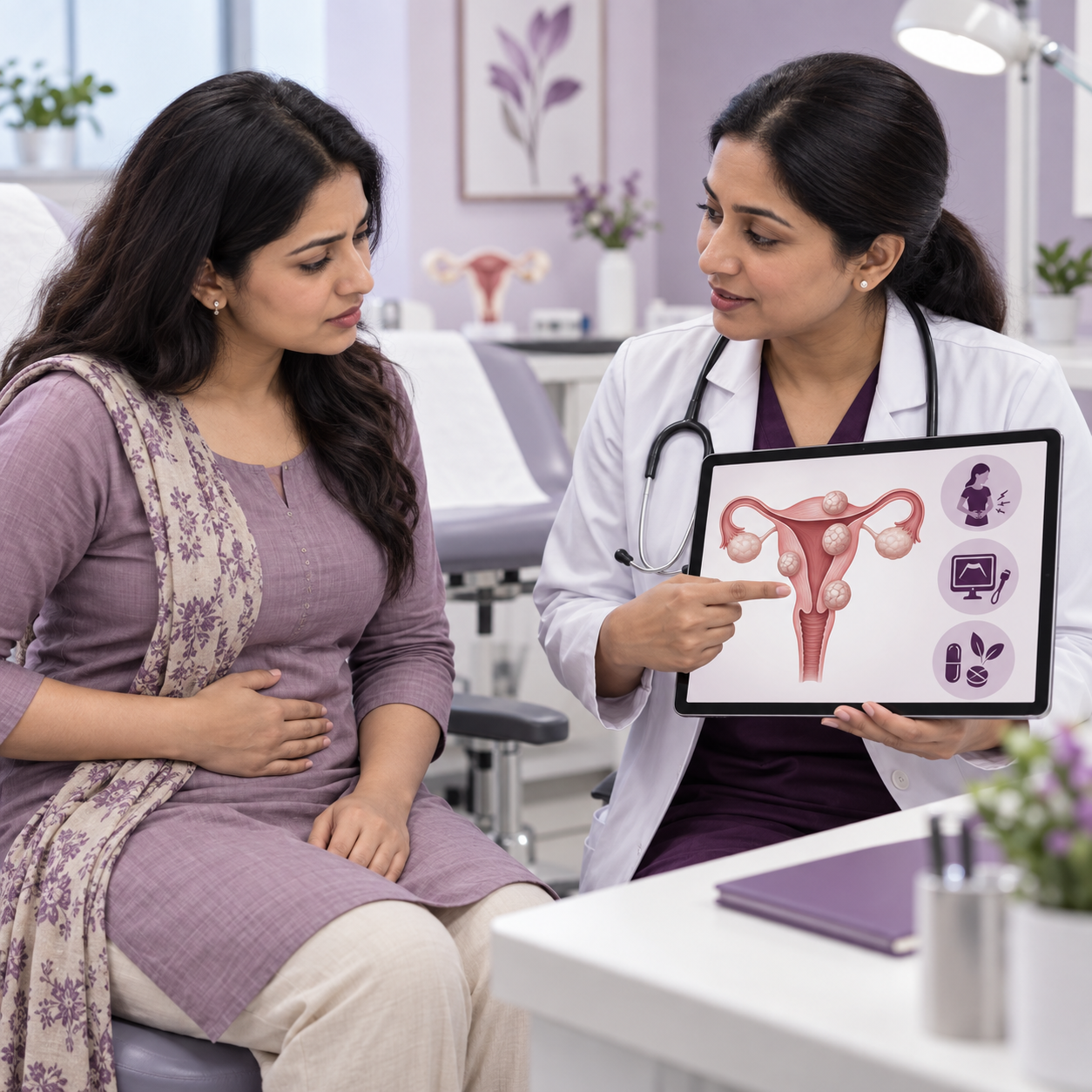
Uterine fibroid treatment ranges from watchful waiting and medications to minimally invasive surgery like myomectomy, depending on symptom severity and fertility goals. Fibroids are common, non-cancerous growths in the uterus that many women develop during their reproductive years. This article explains what fibroids are, their symptoms and causes, and the modern treatment options available. You will also learn how doctors diagnose fibroids and when to see a specialist. Understanding your choices helps you make confident, informed decisions about your reproductive health and long-term comfort.
What Are Uterine Fibroids?
Uterine fibroids are non-cancerous muscular growths that develop in or around the uterus. They are very common during a woman's reproductive years.
Fibroids vary widely in size and number. Some remain tiny, while others grow large enough to change the uterus's shape.
Key facts about uterine fibroids include:
- Benign, rarely turn cancerous
- Range from seed-sized to large masses
- May be single or multiple
- Often shrink after menopause
- Common in women aged 30–50
Learn more about uterine fibroids and expert care at Lux Hospitals.
Common Symptoms of Uterine Fibroids
Many women with fibroids have no symptoms at all. When symptoms appear, they often affect menstruation and pelvic comfort.
Symptoms depend on the size and location of the fibroids. You may notice:
- Heavy or prolonged menstrual bleeding
- Pelvic pain or pressure
- Frequent urination
- Constipation or bloating
- Pain during intercourse
- Lower back discomfort
Don't ignore persistent pelvic symptoms—book a consultation at Lux Hospitals today.
Causes and Risk Factors
The exact cause of fibroids is not fully understood. Hormones and genetics appear to play major roles in their growth.
Certain factors can raise your risk of developing fibroids:
- Family history of fibroids
- High estrogen and progesterone levels
- Early onset of menstruation
- Obesity or excess body weight
- Vitamin D deficiency
- Diet high in red meat
Types of Uterine Fibroids
Fibroids are classified by where they grow within the uterus. Location strongly influences symptoms and treatment.
The main types include:
- Intramural — within the uterine wall
- Subserosal — on the outer surface
- Submucosal — beneath the uterine lining
- Pedunculated — attached by a stalk
- Cervical — located in the cervix
Unsure about your fibroid type? Get an accurate diagnosis at Lux Hospitals.
Possible Complications of Fibroids
Most fibroids are harmless, but some can cause significant problems. Complications are more likely with large or numerous growths.
Some fibroids share symptoms with conditions like adenomyosis or endometriosis, so proper evaluation matters. Potential complications include:
- Anemia from heavy bleeding
- Fertility difficulties or infertility
- Pregnancy complications
- Severe pelvic pain
- Pressure on bladder or bowel
How Fibroids Are Diagnosed
Fibroids are often found during a routine pelvic exam. Imaging and scope-based tests confirm their size and location.
Common diagnostic methods include:
- Pelvic examination
- Ultrasound imaging
- MRI for detailed mapping
- Hysteroscopy to view the uterine cavity
- Blood tests to check for anemia
Schedule accurate fibroid diagnosis with the specialists at Lux Hospitals.
Uterine Fibroid Treatment Options at Lux Hospitals
Uterine fibroid treatment is personalized to your symptoms, age, and fertility plans. Not every fibroid needs surgery.
Many women manage symptoms with medication or minimally invasive procedures. Non-surgical and less invasive options include:
- Watchful waiting for small fibroids
- Hormonal medications to control bleeding
- Pain relief medication
- Endometrial ablation for heavy bleeding
- Iron supplements for anemia
Surgical Treatment Options
Surgery is considered when fibroids are large, symptomatic, or affect fertility. Modern techniques are minimally invasive with quick recovery.
Surgical options depend on fibroid size, location, and future pregnancy plans:
- Myomectomy — removes fibroids, preserves uterus
- Hysteroscopic myomectomy — for submucosal fibroids
- Hysterectomy — removes the uterus completely
- Laparoscopic surgery — small incisions, faster healing
Explore minimally invasive fibroid surgery options at Lux Hospitals.
Lifestyle Tips to Manage Fibroids
Healthy habits can support treatment and may help control symptoms. Lifestyle changes complement medical care but don't replace it.
Helpful lifestyle measures include:
- Maintain a healthy body weight
- Eat plenty of fruits and vegetables
- Limit red and processed meats
- Stay physically active
- Manage stress effectively
- Ensure adequate vitamin D
When to See a Doctor
Some fibroid symptoms need prompt medical attention. Early evaluation prevents complications like anemia and fertility problems.
Book an appointment if you experience any of these warning signs:
- Very heavy or prolonged periods
- Persistent pelvic pain or pressure
- Difficulty getting pregnant
- Symptoms of anemia like fatigue
- Sudden severe abdominal pain
Experiencing these symptoms? Consult the gynaecology experts at Lux Hospitals today.
Why Choose Lux Hospitals?
Lux Hospitals offers comprehensive, patient-focused care for fibroids and related gynaecological conditions. Our team uses advanced diagnostics and minimally invasive techniques.
Women choose Lux Hospitals for:
- Experienced gynaecology specialists
- Advanced imaging and diagnostics
- Fertility-preserving surgical options
- Minimally invasive procedures
- Personalized treatment plans
- Compassionate post-operative care
Conclusion
Uterine fibroids are common and usually non-cancerous, but they can affect your comfort, fertility, and quality of life. The good news is that effective uterine fibroid treatment is available, ranging from watchful waiting and medication to advanced, minimally invasive surgery.
Understanding your symptoms, causes, and options empowers you to make informed decisions. If you notice heavy bleeding, pelvic pressure, or fertility concerns, don't wait to seek help. Early diagnosis leads to better outcomes and more treatment choices. The experienced team at Lux Hospitals provides personalized, compassionate care tailored to your needs. Reach out today to discuss the best path forward for your reproductive health and lasting well-being.