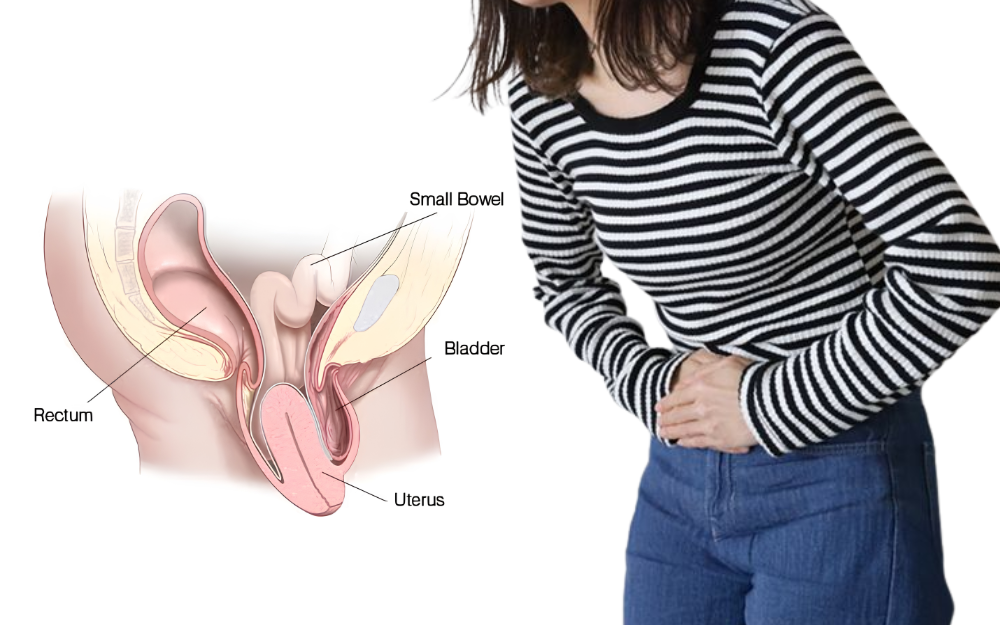
Uterine prolapse is a type of pelvic organ prolapse that occurs when the muscles and supporting tissues around the uterus become weak, allowing the uterus to move downward into the vagina. Uterine prolapse can develop gradually, and early symptoms may be mild or easy to overlook. Recognizing the signs early can help women seek appropriate treatment before symptoms become more troublesome. The condition can occur after childbirth, with increasing age, after menopause or due to weakening of the pelvic floor.
What Is Uterine Prolapse?
Uterine prolapse occurs when the tissues and muscles supporting the uterus become weakened or stretched. As a result, the uterus can descend from its normal position toward the vagina. The condition can range from mild to more advanced prolapse.
In mild cases, the uterus may move downward but remain inside the vagina. In more advanced cases, the uterus may protrude through the vaginal opening. A prolapsed uterus can occur along with other forms of pelvic organ prolapse, including prolapse involving the bladder or rectum.
What Causes Uterine Prolapse?
The main uterine prolapse causes are associated with weakening or stretching of the pelvic floor and supporting tissues.
Factors that may increase the risk include:
- Vaginal childbirth
- Multiple pregnancies
- Increasing age
- Menopause
- Repeated heavy lifting
- Chronic constipation
- Long-term coughing
- Being overweight or obese
- Previous pelvic surgery
- Conditions that increase pressure on the pelvic floor
Having one or more risk factors does not mean that you will develop uterine prolapse.
Early Signs of Uterine Prolapse
Recognizing the early signs of uterine prolapse can help you seek medical advice at an earlier stage.
Early symptoms may include:
- A feeling of pressure in the pelvis
- A sensation of heaviness in the vagina
- Feeling that something is coming down
- Lower back discomfort
- A feeling of incomplete bladder emptying
- Urinary leakage
- Difficulty with bowel movements
- Discomfort during intercourse
Some women may initially notice symptoms only after standing for a long time, exercising or toward the end of the day. If these symptoms persist or become more frequent, a gynecological evaluation is recommended.
Common Uterine Prolapse Symptoms
The severity of uterine prolapse symptoms can vary from woman to woman.
Pelvic Pressure
You may feel heaviness, pressure or discomfort in the lower abdomen or pelvis.
Vaginal Bulge
Some women notice or feel a bulge inside the vagina. In more advanced cases, tissue may become visible at the vaginal opening.
Urinary Symptoms
A prolapsed uterus may occur alongside other pelvic floor problems and can be associated with:
- Urinary leakage
- Frequent urination
- Difficulty starting urination
- A sensation of incomplete bladder emptying
Bowel Symptoms
Some women may experience:
- Constipation
- Difficulty passing stools
- A feeling of incomplete bowel emptying
Sexual Discomfort
Pelvic organ prolapse may cause discomfort during sexual activity or affect sexual confidence. Not every woman experiences all of these symptoms.
Uterine Prolapse Stages
Doctors generally describe uterine prolapse stages according to how far the uterus has descended. The condition can range from mild displacement to more advanced prolapse.
Mild Prolapse
The uterus has moved downward but remains well within the vagina. Symptoms may be minimal or absent.
Moderate Prolapse
The uterus moves closer to the vaginal opening. Pelvic pressure, heaviness or urinary symptoms may become more noticeable.
Advanced Prolapse
The uterus may reach or extend beyond the vaginal opening. Symptoms can become more significant and may interfere with daily activities. The exact stage is determined during a pelvic examination.
Uterine Prolapse After Childbirth
Uterine prolapse after childbirth can occur because pregnancy and vaginal delivery can place significant stress on the pelvic floor muscles and supporting tissues.
The risk may increase with:
- Multiple vaginal deliveries
- Difficult or prolonged delivery
- Larger babies
- Pelvic floor injury
However, prolapse does not occur in every woman who gives birth vaginally. Pelvic floor exercises and appropriate postpartum care may help support pelvic health.
Uterine Prolapse After Menopause
Uterine prolapse after menopause is relatively common because hormonal changes associated with menopause can contribute to changes in the pelvic floor and supporting tissues. Age-related weakening of muscles and connective tissue can also contribute.
Women who notice pelvic pressure, vaginal bulging or urinary symptoms after menopause should discuss these changes with a gynecologist.
How Is Uterine Prolapse Diagnosed?
A doctor usually diagnoses uterine prolapse through a medical history and pelvic examination.
During the examination, your doctor may assess:
- Position of the uterus
- Strength of the pelvic floor
- Degree of prolapse
- Other pelvic organ changes
- Bladder or bowel symptoms
You may be asked to cough, strain or change position during the examination to help assess the extent of prolapse. Additional tests may be recommended if your doctor suspects associated bladder or bowel problems.
Uterine Prolapse Treatment Options
Uterine prolapse treatment options depend on:
- Severity of prolapse
- Symptoms
- Age
- Overall health
- Previous childbirth
- Sexual activity
- Future pregnancy plans
- Personal treatment preferences
Not every woman with prolapse needs surgery. Treatment may range from lifestyle measures and pelvic floor exercises to pessary use or surgery.
Uterine Prolapse Treatment Without Surgery
For mild or moderate symptoms, uterine prolapse treatment without surgery may be appropriate.
Pelvic Floor Exercises
Pelvic floor exercises can help strengthen the muscles that support the pelvic organs. A physiotherapist or healthcare professional can teach you the correct technique.
Weight Management
Maintaining a healthy weight can help reduce excess pressure on the pelvic floor.
Treating Constipation
Avoiding repeated straining during bowel movements can help reduce pressure on pelvic floor tissues. A fiber-rich diet, adequate fluids and appropriate treatment for constipation may be helpful.
Managing Chronic Cough
If you have a persistent cough, treating the underlying cause can help reduce repeated pressure on the pelvic floor.
Pessary
A vaginal pessary is a device placed inside the vagina to support the pelvic organs. It may be suitable for women who want to manage symptoms without surgery or who are not suitable candidates for an operation. Your healthcare provider can advise you about the appropriate type and fitting.
Uterine Prolapse Exercises
Uterine prolapse exercises generally focus on strengthening the pelvic floor muscles. Pelvic floor muscle exercises, often called Kegel exercises, involve repeatedly tightening and relaxing the muscles used to control urination.
Consistent and correct technique is important. A pelvic floor physiotherapist can help if you are unsure whether you are performing the exercises correctly. Exercises may help manage symptoms, particularly in earlier stages, but they may not reverse advanced prolapse.
When Is Uterine Prolapse Surgery Recommended?
Uterine prolapse surgery may be considered when:
- Symptoms significantly affect daily life
- Prolapse is advanced
- Non-surgical treatment does not provide sufficient relief
- There are associated bladder or bowel problems
- The vaginal bulge causes significant discomfort
- The patient prefers surgical treatment after discussing available options
The type of surgery depends on the severity of prolapse, overall health and individual goals.
Uterine Prolapse Repair
Uterine prolapse repair aims to restore support to the pelvic organs and improve symptoms.
Depending on the individual situation, surgical approaches may include procedures that:
- Support the uterus
- Repair weakened vaginal tissues
- Address associated bladder or bowel prolapse
- Remove the uterus in selected cases
Not every woman needs the same operation. If preserving the uterus is important to you, discuss this with your gynecologist before deciding on surgery.
Can Uterine Prolapse Be Reversed?
Whether uterine prolapse can be reversed depends on its severity and the treatment approach. Mild prolapse may be managed with pelvic floor exercises, lifestyle changes and other non-surgical treatments.
These approaches can improve symptoms and pelvic support but may not completely restore the uterus to its original position. More advanced prolapse may require surgical treatment.
Can Uterine Prolapse Get Worse?
Uterine prolapse can become more noticeable over time, particularly if factors that place pressure on the pelvic floor continue. However, progression varies between individuals. Early evaluation can help determine the severity and identify appropriate management options.
When Should You See a Gynecologist?
Consult a gynecologist if you notice:
- A vaginal bulge
- Pelvic pressure or heaviness
- A sensation that something is coming down
- Urinary leakage
- Difficulty emptying your bladder
- Constipation or bowel difficulties
- Discomfort during intercourse
- Symptoms that worsen after standing or physical activity
Early assessment can help identify the degree of prolapse and discuss suitable treatment options.
Conclusion
Uterine prolapse is a common pelvic floor condition that can develop when the tissues supporting the uterus become weakened. Recognizing uterine prolapse symptoms early, such as pelvic pressure, vaginal heaviness or a noticeable bulge, can help women seek timely medical care. Treatment ranges from uterine prolapse treatment without surgery, including pelvic floor exercises and pessaries, to uterine prolapse surgery for women with more advanced or troublesome symptoms. If you notice symptoms of a prolapsed uterus, consult a qualified gynecologist. Early evaluation can help determine the stage of prolapse and the most appropriate treatment for your individual needs.