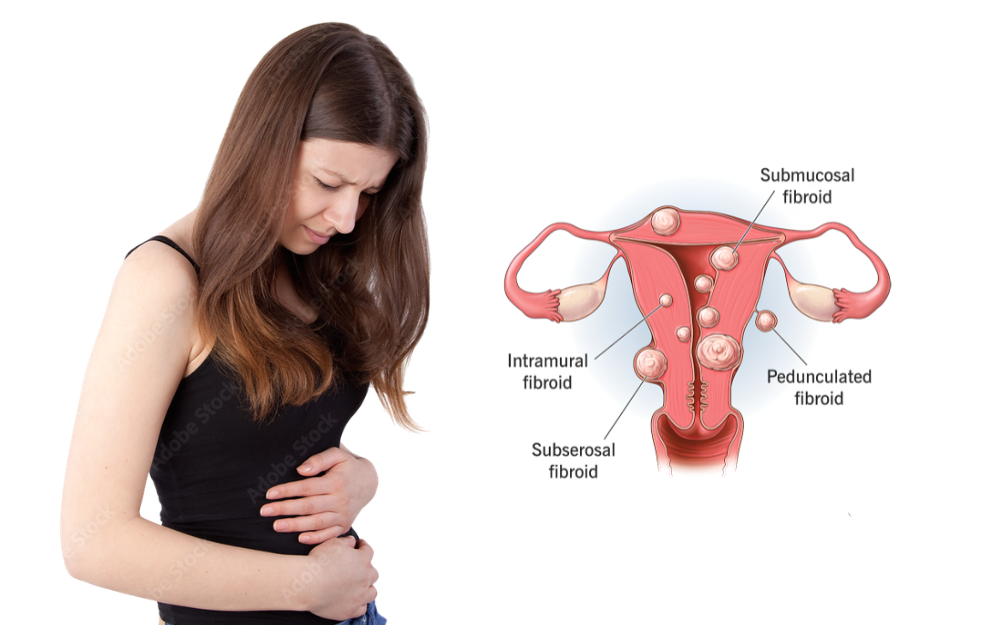
Uterine fibroids are common, non-cancerous growths that develop in or around the uterus. They can vary in size, number and location. Some women may have small fibroids without experiencing any symptoms, while others may develop larger or multiple fibroids that affect their menstrual cycle, pelvic comfort or fertility. Although uterine fibroids are generally benign, they can sometimes cause troublesome symptoms. The type and severity of symptoms often depend on the size and location of the fibroids.
Some women with fibroids in uterus may discover them during a routine pelvic examination or ultrasound. Others may seek medical attention because of heavy periods, pelvic pressure, abdominal discomfort or difficulty becoming pregnant.
What Are Uterine Fibroids?
Uterine fibroids develop from the muscular tissue of the uterus. They are also known as uterine leiomyomas or myomas.
Depending on where they develop, fibroids can be classified into different types:
- Intramural fibroids: Develop within the muscular wall of the uterus.
- Submucosal fibroids: Grow toward the inner cavity of the uterus and may affect menstrual bleeding.
- Subserosal fibroids: Develop on the outer surface of the uterus and may cause pressure on nearby organs.
- Pedunculated fibroids: Grow from the uterus on a stalk-like structure.
The location of a fibroid can influence the symptoms it causes. A fibroid uterus does not automatically mean that treatment or surgery is required. If fibroids are small and do not cause symptoms, regular monitoring may be recommended.
Uterine Fibroids Symptoms
The symptoms of uterine fibroids can vary significantly. Some women have no symptoms at all, while others experience symptoms that interfere with their daily activities.
Common uterine fibroids symptoms include:
- Heavy or prolonged menstrual periods
- Pelvic pain or pressure
- Lower abdominal discomfort or fullness
- Lower back pain
- Frequent urination
- Difficulty emptying the bladder
- Constipation or bowel pressure
- Pain during sexual intercourse
- Abdominal enlargement
- Difficulty becoming pregnant in some cases
Heavy menstrual bleeding caused by fibroids can sometimes contribute to anaemia, which may result in tiredness, weakness or shortness of breath.
What Causes Uterine Fibroids?
The exact uterine fibroid causes are not completely understood. However, several factors may influence their development and growth.
Hormonal Factors
Oestrogen and progesterone are important reproductive hormones that may influence fibroid growth. Fibroids commonly develop during the reproductive years when these hormones are active.
Genetic Factors
Genetics may also play a role. Women with a family history of fibroids may have a higher likelihood of developing them.
Age and Reproductive Factors
Fibroids are commonly diagnosed during the reproductive years. Their growth may be influenced by hormonal changes throughout a woman's life.
Other Risk Factors
Certain lifestyle and reproductive factors may also be associated with an increased likelihood of developing fibroids. However, having a risk factor does not necessarily mean that a woman will develop uterine fibroids.
How Are Uterine Fibroids Diagnosed?
If fibroids symptoms are present, a gynecologist may first discuss your menstrual history, symptoms, medical history and reproductive goals.
A pelvic examination may help identify changes in the size or shape of the uterus. Imaging tests can provide more detailed information about the number, size and location of fibroids.
Common diagnostic methods include:
- Pelvic ultrasound: Commonly used to identify fibroids.
- Transvaginal ultrasound: Provides a detailed view of the uterus and surrounding pelvic organs.
- MRI: May be recommended when more detailed information is required, especially before certain procedures.
- Blood tests: May be advised when heavy periods raise concerns about anaemia.
An accurate diagnosis helps determine whether treatment is necessary and which uterine fibroid treatment may be appropriate.
Uterine Fibroid Treatment Options
Not every woman with uterine fibroids requires treatment. The recommended approach depends on several factors, including symptoms, fibroid size and location, age, overall health and future pregnancy plans.
Monitoring
If fibroids are small and do not cause significant symptoms, your doctor may recommend regular monitoring. Follow-up examinations or imaging may be used to track changes over time.
Medication
Certain medications may help manage symptoms such as heavy menstrual bleeding or pelvic discomfort. Medication generally focuses on controlling symptoms rather than permanently removing the fibroids.
Minimally Invasive Treatment
Some women may be suitable for minimally invasive procedures depending on the size, number and location of their fibroids. These options may help manage symptoms while avoiding more extensive surgery.
Myomectomy
A myomectomy is a procedure that removes fibroids while preserving the uterus. It may be considered for women with significant symptoms or those who wish to preserve their fertility, depending on their individual circumstances.
Hysterectomy
A hysterectomy involves removing the uterus and provides a definitive treatment for fibroids. It may be considered in selected cases involving severe symptoms, large or multiple fibroids, or when other treatments are unsuitable and future pregnancy is not desired.
The most suitable treatment for uterine fibroids should be decided after a detailed medical evaluation.
Can Uterine Fibroids Affect Fertility?
Many women with uterine fibroids are able to become pregnant and have healthy pregnancies. However, certain fibroids may affect fertility depending on their size and location.
Fibroids that distort the inner cavity of the uterus may have a greater impact on implantation and fertility. Some large or strategically located fibroids may also be associated with pregnancy-related complications.
If you are having difficulty conceiving and have known fibroids in uterus, a gynecologist can assess whether the fibroids may be contributing to the problem.
Treatment decisions should take your future pregnancy plans into account. In some cases, removing specific fibroids may be recommended, while in others, treatment may not be necessary.
When Should You See a Gynecologist?
Consider consulting a gynecologist if you experience persistent or troublesome fibroids symptoms, such as:
- Very heavy or prolonged periods
- Persistent pelvic pressure or pain
- Increasing abdominal fullness
- Frequent urination
- Difficulty becoming pregnant
- Recurrent or worsening menstrual symptoms
- Signs of anaemia associated with heavy periods
Early evaluation can help determine whether your symptoms are caused by uterine fibroids or another gynecological condition.