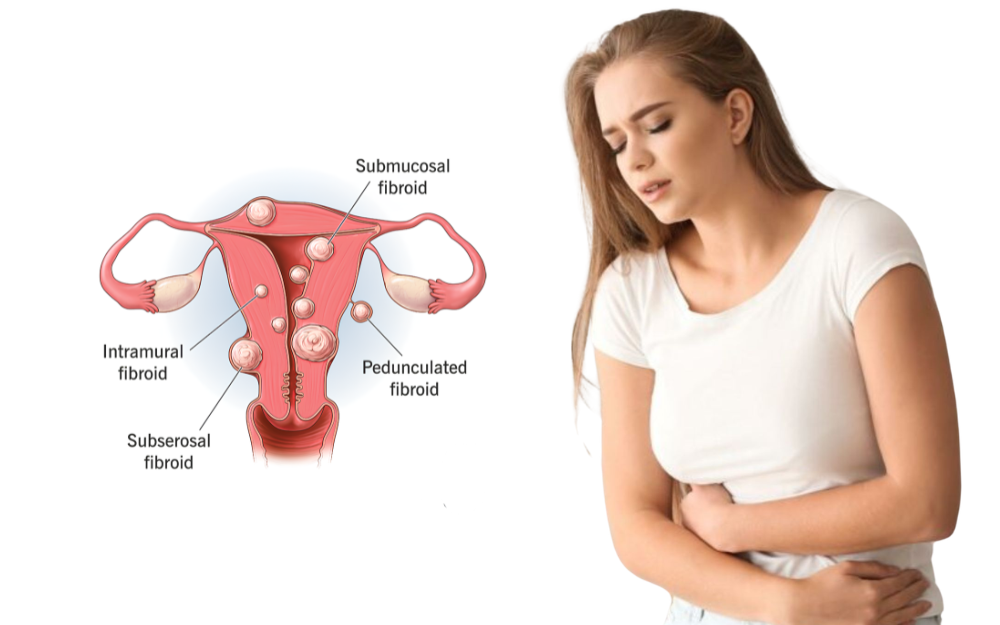
Myomectomy for fibroids is a surgical treatment used to remove uterine fibroids while preserving the uterus. It may be recommended for women who have troublesome fibroid symptoms, fertility concerns or fibroids that affect the uterus. Uterine fibroids are common, non-cancerous growths that can develop in or around the uterus. Many women with fibroids do not need treatment. However, some may experience heavy menstrual periods, pelvic pressure, pain, frequent urination or difficulty becoming pregnant. For women who need treatment but want to preserve their uterus, myomectomy for fibroids can be an important treatment option.
What Is a Myomectomy?
A myomectomy is a surgical procedure to remove fibroids from the uterus without removing the uterus itself. Unlike a hysterectomy, which removes the uterus, myomectomy aims to preserve the uterus.
This can be particularly important for women who:
- Want to preserve fertility
- Plan to become pregnant
- Have symptoms caused by fibroids
- Prefer to retain their uterus
The recommended approach depends on the number, size and location of the fibroids, as well as your symptoms and reproductive plans.
What Are Uterine Fibroids?
Uterine fibroids are non-cancerous growths that develop from the muscle tissue of the uterus.
Fibroids can vary significantly in:
- Size
- Number
- Location
They may develop within the uterine wall, project into the uterine cavity or grow on the outer surface of the uterus. Some women have small fibroids without symptoms, while others may experience significant problems.
Common fibroid symptoms include:
- Heavy menstrual bleeding
- Prolonged periods
- Pelvic pain
- Pelvic pressure
- Abdominal fullness
- Frequent urination
- Constipation
- Pain during intercourse
- Fertility difficulties
Treatment is not always necessary. Your gynecologist can determine whether monitoring or active treatment is appropriate.
When Is Myomectomy Recommended?
Myomectomy for fibroids may be considered when fibroids cause significant symptoms or affect fertility.
Heavy or Prolonged Periods
Fibroids can cause heavy or prolonged menstrual bleeding. If bleeding is affecting your daily activities or causing anemia, treatment may be considered.
Pelvic Pain or Pressure
Larger fibroids can place pressure on nearby organs. This may cause pelvic discomfort, abdominal fullness or pain.
Fertility Problems
Certain fibroids can affect the shape of the uterine cavity or may be associated with fertility problems. If you are trying to conceive, your gynecologist may assess whether removing specific fibroids could be beneficial.
Recurrent Symptoms
If fibroid symptoms continue despite medication or other conservative approaches, surgery may become an option.
Large or Strategically Located Fibroids
The size of a fibroid is not the only consideration. Its location and relationship to the uterine cavity can be equally important when deciding whether surgery is appropriate.
Myomectomy and Fertility
Myomectomy and fertility are closely considered when treating women who want to become pregnant. Some fibroids may interfere with conception or pregnancy, particularly when they affect the uterine cavity. However, not every fibroid needs to be removed before pregnancy.
Your doctor may consider:
- Fibroid size
- Fibroid location
- Number of fibroids
- Symptoms
- Previous pregnancy history
- Fertility history
- Your overall reproductive goals
If pregnancy is important to you, discuss your plans with your gynecologist before choosing a treatment.
Types of Myomectomy
There are several types of myomectomy. The most appropriate approach depends mainly on the size and location of the fibroids.
1. Hysteroscopic Myomectomy
A hysteroscopic myomectomy is performed through the vagina and cervix. A thin camera is inserted into the uterus, allowing the surgeon to see and remove fibroids that project into the uterine cavity. It does not require an abdominal incision. This approach may be suitable for selected submucosal fibroids.
2. Laparoscopic Myomectomy
Laparoscopic myomectomy is a minimally invasive procedure performed through small abdominal incisions. A camera and specialized surgical instruments are used to remove fibroids. Compared with open surgery, laparoscopic surgery may offer smaller incisions and potentially a faster recovery for appropriately selected patients. However, not every fibroid can be removed laparoscopically.
3. Abdominal Myomectomy
An abdominal myomectomy involves removing fibroids through an incision in the abdomen. It may be considered when fibroids are very large, numerous or located in a way that makes minimally invasive surgery unsuitable. Your surgeon will recommend the safest approach based on your individual condition.
Myomectomy vs Hysterectomy
A common question is myomectomy vs hysterectomy. The main difference is that a myomectomy removes fibroids while preserving the uterus, whereas a hysterectomy removes the uterus.
- Myomectomy removes fibroids; hysterectomy removes the uterus.
- Myomectomy preserves the uterus; hysterectomy does not.
- Myomectomy may be suitable for women planning pregnancy; pregnancy is not possible after hysterectomy.
- Fibroids can potentially recur after myomectomy; fibroids cannot recur in a removed uterus.
The right procedure depends on your symptoms, age, reproductive plans, fibroid characteristics and overall health.
Fibroid Surgery: What Should You Consider?
Fibroid surgery is not automatically recommended for every woman with fibroids.
Before surgery, your doctor may evaluate:
- Fibroid size
- Fibroid location
- Number of fibroids
- Symptoms
- Menstrual bleeding
- Fertility plans
- Previous treatments
- Overall health
Imaging such as ultrasound or MRI may help your doctor understand the size and location of the fibroids. The goal is to choose a treatment that addresses symptoms while considering your long-term health and reproductive goals.
What Is Myomectomy Recovery Like?
Myomectomy recovery depends on the surgical technique used.
Recovery may differ between:
- Hysteroscopic surgery
- Laparoscopic surgery
- Abdominal surgery
Minimally invasive procedures generally involve smaller incisions than open abdominal surgery.
Your doctor will provide specific instructions about:
- Physical activity
- Work
- Exercise
- Sexual activity
- Wound care
- Follow-up appointments
Follow your surgeon's instructions carefully during recovery.
Are There Risks or Complications?
Like other surgical procedures, myomectomy can have potential risks.
Possible myomectomy complications may include:
- Bleeding
- Infection
- Scar tissue formation
- Injury to nearby organs
- Recurrence of fibroids
- Need for additional treatment
The risks vary depending on the surgical approach, number and size of fibroids and individual health factors. Your surgeon should explain the expected benefits and potential risks before the procedure.
Is Myomectomy the Right Treatment for Every Woman?
No. Although myomectomy for fibroids can be an effective option for selected patients, it is not necessary for every woman with fibroids. Some women may have fibroids that do not cause symptoms and may only require monitoring.
Others may benefit from:
- Medication
- Hormonal treatment
- Uterine artery embolization
- Other minimally invasive procedures
- Myomectomy
- Hysterectomy
Your gynecologist can explain which options are appropriate based on your individual circumstances.
When Should You See a Gynecologist?
Consider consulting a gynecologist if you experience:
- Very heavy periods
- Periods lasting longer than usual
- Persistent pelvic pain
- Pelvic pressure
- Abdominal enlargement
- Frequent urination
- Constipation associated with pelvic pressure
- Difficulty becoming pregnant
If you already know that you have fibroids, regular follow-up can help monitor their size and symptoms.
Conclusion
Myomectomy for fibroids can be an important treatment option for women experiencing significant fibroid symptoms or certain fertility-related concerns while wishing to preserve their uterus. The decision to undergo fibroid surgery depends on factors such as the size, number and location of fibroids, symptoms, fertility plans and overall health. Different approaches, including hysteroscopic myomectomy, laparoscopic myomectomy and abdominal myomectomy, may be suitable for different patients. If you have symptomatic uterine fibroids or are concerned about fertility, consult a qualified gynecologist to discuss whether myomectomy or another fibroid treatment is appropriate for you.