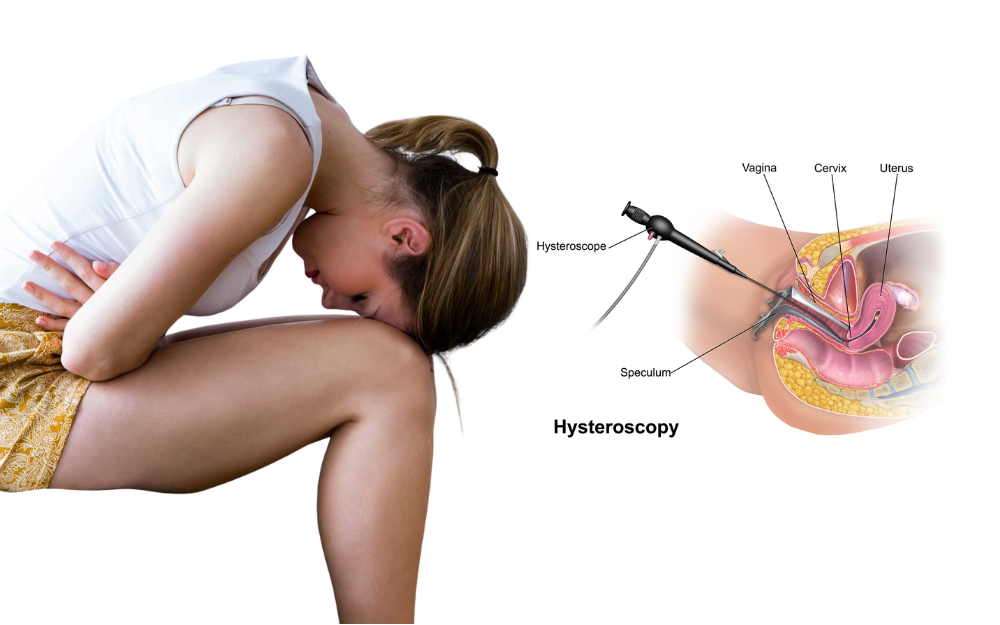
Hysteroscopy is a minimally invasive procedure that allows a gynecologist to examine the inside of the uterus using a thin, lighted instrument called a hysteroscope. A hysteroscopy procedure may be recommended to investigate abnormal uterine bleeding, identify uterine polyps or fibroids, evaluate certain fertility concerns, or treat abnormalities inside the uterine cavity. Depending on the purpose, hysteroscopy can be used for diagnosis, treatment, or both.
What Is Hysteroscopy?
Hysteroscopy involves passing a thin camera through the vagina and cervix to view the inside of the uterus. Because the hysteroscope provides a direct view of the uterine cavity, it can help a gynecologist identify abnormalities that may not always be clearly detected through other tests.
A hysteroscopy may be performed as:
- Diagnostic hysteroscopy
- Operative hysteroscopy
- Hysteroscopy for treatment
- Hysteroscopy as part of a fertility evaluation
The specific approach depends on why the procedure is being recommended.
When Is Hysteroscopy Recommended?
A doctor may recommend hysteroscopy when there is a concern about an abnormality inside the uterus.
Common reasons include:
- Unexplained abnormal uterine bleeding
- Heavy or irregular periods
- Uterine polyps
- Certain types of fibroids
- Suspected abnormalities of the uterine cavity
- Repeated pregnancy loss in selected cases
- Some fertility concerns
- Removal of an intrauterine device when it cannot be removed normally
- Evaluation of an abnormal ultrasound finding
The decision depends on your symptoms, medical history and results of previous investigations.
Hysteroscopy for Abnormal Bleeding
Abnormal uterine bleeding is one of the common reasons for a hysteroscopy procedure.
Your doctor may recommend hysteroscopy if you experience:
- Heavy menstrual bleeding
- Bleeding between periods
- Irregular periods
- Bleeding after menopause
- Persistent spotting
A hysteroscope allows the doctor to directly examine the uterine lining and look for possible causes such as polyps or certain fibroids. If an abnormality is identified, it may sometimes be treated during the same procedure.
Hysteroscopy for Uterine Polyps
Hysteroscopy for uterine polyps can be used to identify and remove polyps growing inside the uterine cavity. Uterine polyps are usually benign growths that develop from the lining of the uterus.
They may cause:
- Irregular bleeding
- Heavy periods
- Spotting
- Bleeding after menopause
- Fertility concerns
During an operative hysteroscopy, the doctor can directly visualize the polyp and remove it. The removed tissue may be sent for laboratory examination when appropriate.
Hysteroscopy for Fibroids
Hysteroscopy for fibroids may be considered for selected fibroids that grow into or project toward the uterine cavity. These are often called submucosal fibroids. Depending on their size, location and characteristics, some can be removed using hysteroscopic surgery.
Not every uterine fibroid can be treated through hysteroscopy. Fibroids located within the uterine wall or on the outer surface may require a different treatment approach. Your gynecologist will determine the most appropriate procedure based on imaging and individual factors.
Diagnostic Hysteroscopy
Diagnostic hysteroscopy is primarily performed to examine the uterine cavity. It may be recommended when other tests, such as an ultrasound, suggest an abnormality that needs further evaluation.
During the procedure, the doctor can look for:
- Polyps
- Fibroids
- Scar tissue
- Abnormalities of the uterine cavity
- Other structural changes
If a problem is identified, additional treatment may sometimes be performed during the same procedure.
Operative Hysteroscopy
Operative hysteroscopy is used to treat certain abnormalities found inside the uterus.
Depending on the situation, it may be used to:
- Remove uterine polyps
- Remove selected submucosal fibroids
- Treat certain areas of scar tissue
- Remove some foreign objects from the uterus
One advantage of operative hysteroscopy is that treatment can often be performed without an abdominal incision.
Hysteroscopy and Fertility
Hysteroscopy and fertility may be connected when there is a suspected problem within the uterine cavity. Conditions such as polyps, certain fibroids or scar tissue can sometimes affect the uterine environment and may be associated with fertility difficulties.
A gynecologist may recommend hysteroscopy for infertility in selected patients based on their medical history, symptoms and previous investigations. However, hysteroscopy is not automatically required for every woman experiencing infertility. The decision should be based on an individualized fertility assessment.
Hysteroscopy Before IVF
In some situations, hysteroscopy before IVF may be considered to evaluate the uterine cavity when there is a suspected abnormality or a specific clinical reason.
Your fertility specialist may consider factors such as:
- Previous imaging findings
- Previous fertility treatment
- Recurrent implantation problems
- Abnormal uterine bleeding
- Suspected polyps or fibroids
Whether hysteroscopy is appropriate before IVF varies from person to person.
How Is a Hysteroscopy Procedure Performed?
During a hysteroscopy procedure, a thin hysteroscope is gently passed through the vagina and cervix into the uterus. The uterus may be expanded with a sterile fluid to provide a clear view. The doctor examines the uterine cavity using the camera.
If necessary, small surgical instruments can be passed through the hysteroscope to treat certain abnormalities. The type of anesthesia or sedation depends on the procedure, clinical setting and individual circumstances.
Is Hysteroscopy Painful?
Many women are concerned about whether hysteroscopy is painful. The experience can vary depending on the type of hysteroscopy and whether it is performed for diagnosis or treatment.
Some women experience:
- Cramping
- Pelvic discomfort
- Pressure
- Mild spotting
Pain management and anesthesia options can be discussed with your gynecologist before the procedure. If you are undergoing operative hysteroscopy, the anesthesia plan will depend on the complexity of the procedure.
Hysteroscopy Recovery
Hysteroscopy recovery varies depending on whether the procedure was diagnostic or operative. After the procedure, some women may experience mild cramping or light vaginal bleeding for a short period.
Your doctor may provide instructions regarding:
- Physical activity
- Sexual activity
- Bathing
- Tampon use
- Returning to work
- Follow-up appointments
Follow the specific instructions provided by your healthcare team.
Hysteroscopy Side Effects
Temporary hysteroscopy side effects can include:
- Mild abdominal cramps
- Light vaginal bleeding
- Spotting
- Temporary pelvic discomfort
- Nausea related to anesthesia in some cases
These symptoms are generally temporary, but your doctor will explain what to expect based on your procedure.
Hysteroscopy Complications
Hysteroscopy is generally considered a minimally invasive procedure, but complications can occur.
Possible hysteroscopy complications may include:
- Infection
- Excessive bleeding
- Injury to the cervix
- Injury to the uterus
- Fluid-related complications
- Scar tissue formation in uncommon cases
The risk depends on the type and complexity of the procedure. Your gynecologist should discuss the potential benefits and risks with you before treatment.
What Should You Expect After Hysteroscopy?
After hysteroscopy, you may be monitored for a short period before going home, depending on the type of anesthesia used and the setting of the procedure. You may experience mild cramping or spotting.
If a tissue sample or polyp was removed, your doctor may recommend a follow-up appointment to discuss the results. Seek medical advice if you develop symptoms such as severe pain, heavy bleeding, fever or other concerning changes after the procedure.
When Should You Talk to a Gynecologist?
You should consider consulting a gynecologist if you have:
- Persistent abnormal uterine bleeding
- Very heavy periods
- Bleeding after menopause
- Repeated spotting
- A suspected uterine polyp
- A fibroid affecting the uterine cavity
- Unexplained fertility concerns
- An abnormal ultrasound finding
Your doctor can determine whether hysteroscopy or another diagnostic test is appropriate.
Conclusion
Hysteroscopy is a useful gynecological procedure for examining and treating selected problems inside the uterus. It may be recommended for abnormal uterine bleeding, uterine polyps, certain fibroids, some fertility concerns and other abnormalities of the uterine cavity. Both diagnostic hysteroscopy and operative hysteroscopy have specific roles. The right approach depends on your symptoms, examination findings, imaging results and overall health. If your doctor has recommended a hysteroscopy procedure, discuss the reason for the procedure, expected benefits, possible risks and recovery process with your gynecologist.