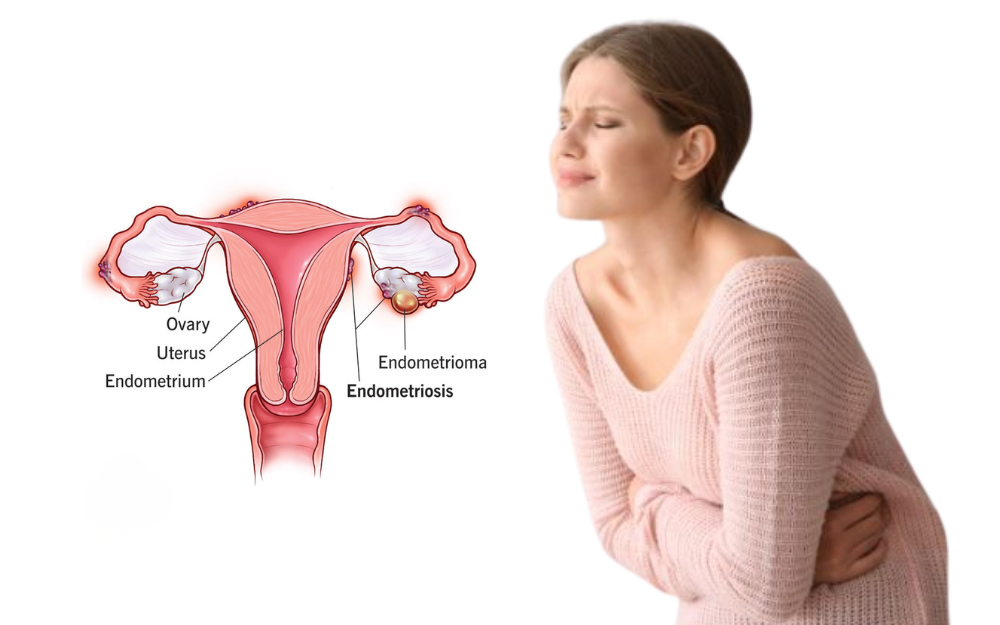
Endometriosis is a chronic gynecological condition that can cause pelvic pain, painful periods and fertility problems. It occurs when tissue similar to the lining of the uterus grows outside the uterus. This tissue can cause inflammation, irritation and scar tissue. Symptoms can range from mild to severe and may affect daily activities and quality of life. Understanding the symptoms, causes, diagnosis and available endometriosis treatment options can help women seek timely medical care.
What Is Endometriosis?
Endometriosis occurs when tissue similar to the uterine lining grows outside the uterus.
It commonly affects areas such as:
- Ovaries
- Fallopian tubes
- Pelvic lining
- Areas around the uterus
In some cases, it can affect other organs.
The tissue responds to hormonal changes during the menstrual cycle. This can contribute to inflammation, pain and the formation of adhesions.
The severity of endometriosis symptoms can vary from person to person. Some women may experience significant pain, while others may have few or no symptoms.
What Causes Endometriosis?
The exact endometriosis causes are not fully understood.
Researchers believe several factors may contribute, including:
- Genetic factors
- Hormonal influences
- Immune system factors
- Other biological factors
Having a family history of endometriosis may increase the risk of developing the condition. However, more research is needed to understand exactly why endometriosis develops.
Common Endometriosis Symptoms
The symptoms of endometriosis can differ between women.
Common symptoms include:
- Painful periods
- Pelvic pain
- Lower abdominal pain
- Pain during or after intercourse
- Pain during bowel movements
- Pain while urinating, particularly during periods
- Bloating
- Fatigue
- Difficulty becoming pregnant
Endometriosis Pain
Endometriosis pain may occur before or during periods. For some women, pelvic pain can continue outside the menstrual period.
Pain that interferes with work, exercise, sleep or daily activities should not be ignored. Severe period pain is not always normal. A gynecological evaluation can help determine the underlying cause.
Signs of Endometriosis You Should Not Ignore
Some signs of endometriosis may be mistaken for normal menstrual symptoms.
You should consider speaking with a gynecologist if you experience:
- Severe period pain
- Pelvic pain that keeps returning
- Pain during intercourse
- Pain with bowel movements
- Pain during urination
- Persistent bloating
- Unexplained fertility difficulties
Early medical evaluation can help identify the possible cause of these symptoms.
How Is Endometriosis Diagnosed?
An endometriosis diagnosis usually starts with a detailed discussion about your symptoms and menstrual history.
Your doctor may ask about:
- Your period pattern
- Pain severity
- Location of pain
- Bowel or urinary symptoms
- Sexual pain
- Fertility concerns
- Previous treatments
- Family history
Depending on your symptoms, your doctor may recommend an examination or imaging tests such as ultrasound or MRI. In selected cases, minimally invasive surgery may be considered.
A diagnosis is important because symptoms of endometriosis can sometimes resemble other gynecological or digestive conditions.
Endometriosis and Fertility
Endometriosis and fertility are important concerns for many women. Endometriosis may make it more difficult for some women to become pregnant.
Inflammation, adhesions and changes involving the reproductive organs may contribute to fertility problems. However, having endometriosis does not mean that pregnancy is impossible.
Your treatment plan may be different if you are:
- Trying to conceive now
- Planning pregnancy in the future
- Not planning pregnancy
Discuss your fertility goals with your gynecologist before choosing long-term treatment.
Endometriosis Treatment Options
There is currently no definitive cure for endometriosis. However, several endometriosis treatment options can help control symptoms and improve quality of life.
Treatment is selected according to factors such as:
- Symptoms
- Disease severity
- Age
- Overall health
- Previous treatments
- Fertility plans
1. Pain Relief Medicines
Pain-relieving medicines may help manage menstrual and pelvic pain. Your doctor can recommend an appropriate medicine based on your health and medical history. Do not regularly take pain medicines without medical advice.
2. Hormonal Treatment
Hormonal treatment may help reduce pain associated with endometriosis.
Depending on the individual situation, doctors may consider options such as:
- Combined hormonal contraceptives
- Progestin-based treatments
- GnRH-related medicines
These treatments are not suitable for everyone. Women who are trying to become pregnant may require a different treatment approach.
3. Endometriosis Surgery
Endometriosis surgery may be considered for selected patients. Surgery can be used to remove endometriosis lesions or adhesions in appropriate cases.
It may be considered when:
- Symptoms are severe
- Medication does not provide adequate relief
- Endometriosis affects certain organs
- There are specific fertility considerations
The decision to undergo surgery should be individualized.
4. Fertility Treatment
Women experiencing fertility problems may require a fertility evaluation. Depending on the situation, treatment may include fertility medicines or assisted reproductive techniques such as IUI or IVF. The appropriate option depends on individual fertility factors and pregnancy goals.
5. Supportive Care
Some women may also benefit from supportive approaches.
These can include:
- Pelvic-floor physiotherapy
- Pain-management strategies
- Psychological support
- Lifestyle and wellbeing support
Supportive care can complement medical treatment.
Can Endometriosis Be Cured?
Currently, there is no definitive cure for endometriosis.
Treatment focuses on:
- Managing pain
- Controlling symptoms
- Improving quality of life
- Addressing fertility concerns
- Preventing or managing complications
Because endometriosis is a chronic condition, some women may need long-term follow-up and treatment adjustments.
Can Endometriosis Come Back After Treatment?
Yes, symptoms can return in some women after treatment. The possibility of recurrence can depend on several individual factors.
Regular follow-up with your gynecologist can help monitor symptoms and adjust treatment when needed. If symptoms return or become worse, medical evaluation is recommended.
When Should You See a Gynecologist?
Consider consulting a gynecologist if you have:
- Severe period pain
- Persistent pelvic pain
- Pain during intercourse
- Pain during bowel movements
- Pain during urination
- Repeated bloating around your period
- Difficulty becoming pregnant
You do not need to wait until symptoms become severe before seeking medical advice.
Conclusion
Endometriosis can affect periods, pelvic health, fertility and everyday life. Severe period pain or persistent pelvic pain should not simply be considered normal. With appropriate evaluation, women can understand the cause of their symptoms and discuss suitable endometriosis treatment options with their doctor. If you are experiencing persistent pelvic pain, painful periods or fertility difficulties, consult a qualified gynecologist for personalized medical advice.